
Villaspeciosa
TOWN
C’è un punto dove il Campidano respira e le acque si incontrano.
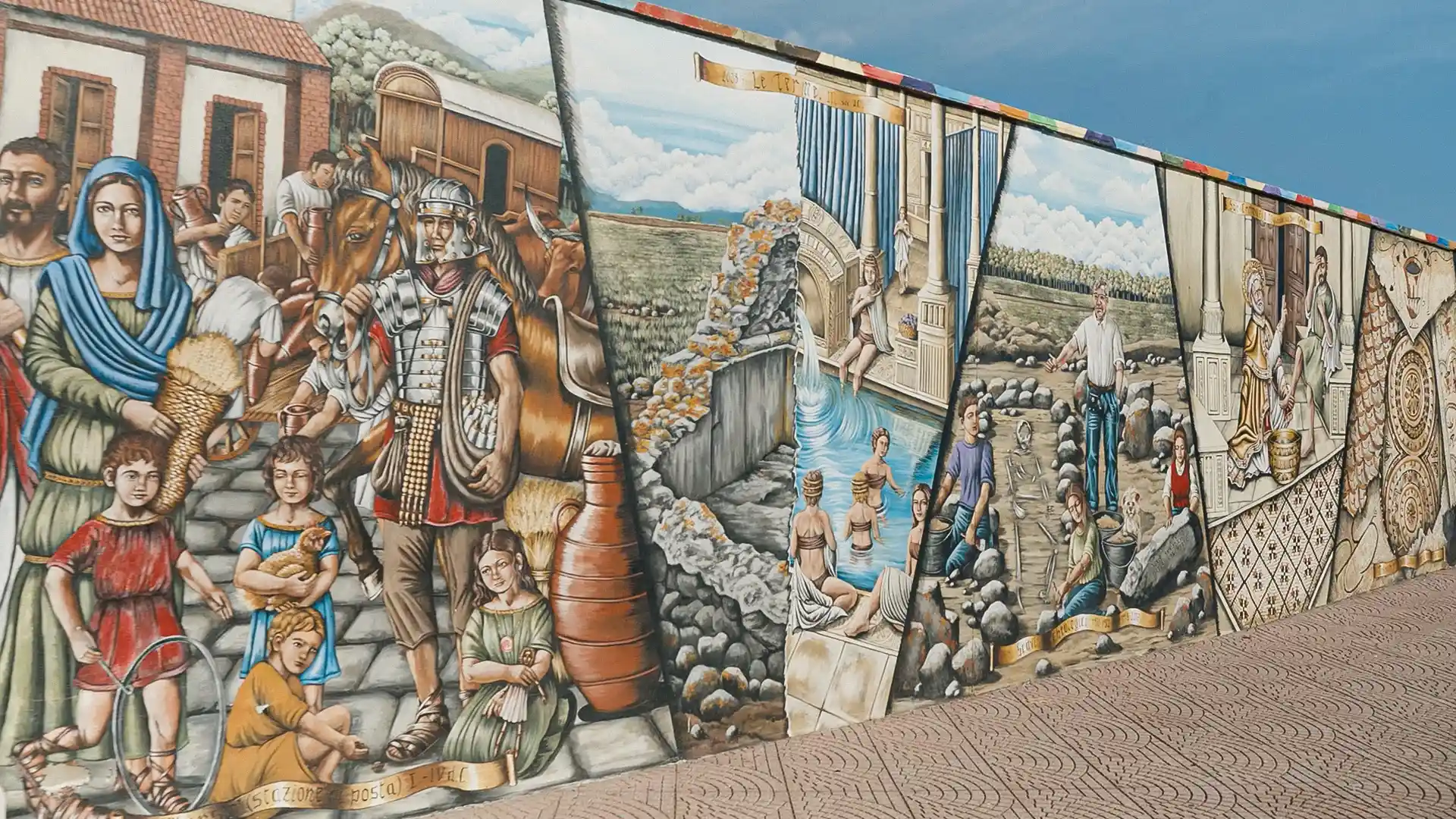
Villaspeciosa lies in a fertile alluvial plain shaped over millennia by the Cixerri River and the Rio Mannu. A borderland between the inland area of Cagliari and the first reaches of the Sulcis region, this territory bears the marks of a long and layered history.
The earliest traces of human presence date back to the Neolithic period, when prehistoric communities chose these lands for their fertility. During the Bronze Age, the Nuragic civilization flourished here, leaving visible traces that still shape the landscape today. The Romans enhanced the waterways and agricultural potential of the area, making it a strategic point connecting Cagliari and the Sulcis.
In the Middle Ages, Villaspeciosa became part of the Judicate of Cagliari and was linked to the curatoria of Decimo. The 12th century saw the construction of the Church of San Platano, a Romanesque gem that remains a defining symbol of the village. Under Aragonese and later Spanish rule, the territory was shaped by the feudal system, passing through different lordships until the abolition of feudalism in the 19th century.
The 20th century brought major changes: land reclamation of marshy areas, new infrastructure, and the growth of a hard-working community that has preserved its deep connection to the land.
Today, Villaspeciosa retains its strong agricultural identity and welcomes visitors with the genuine simplicity of those who live in harmony with their surroundings.
L’ambiente naturale
Villaspeciosa is defined by land and water. The Cixerri and Mannu rivers cross the territory, bringing life and fertility and shaping a landscape where the plain opens wide and generous.
For centuries, these waterways have formed a rich and productive countryside. Wetlands along the rivers are home to diverse wildlife: grey herons, little egrets, mallards, and kingfishers inhabit the banks, while eels and small freshwater fish dart through the waters.
The surrounding countryside is a mosaic of cultivated fields, vineyards, vegetable gardens, and orchards that reflect centuries of agricultural work. Here and there, rows of eucalyptus trees, wild olive groves, and patches of wild vegetation—myrtle, lentisk, and rosemary—dot the landscape.
There are also more untouched areas, where the land becomes gently uneven and gives way to hills covered with holm oaks and cork trees. It is a landscape that is both soft and resilient, where people have learned to live in balance with nature.
A journey through the landscape
From Villaspeciosa begins a journey through history, nature, and rural traditions. Start in the historic centre, where courtyard houses reflect the rhythms of traditional rural life, then continue to the San Platano Park, the green heart of the village, dominated by its beautiful 12th-century Romanesque church—said to be the only church in the world dedicated to this saint.
Not far from the village lies the archaeological area of San Cromazio, an important Roman and early Christian site preserving the remains of an early Christian church and a settlement that played a key role in the first centuries of Christianity. The stones of this place have travelled through time: many of the marbles now decorating the Church of San Platano originate from here, creating a silent dialogue between different eras. Set in the countryside, the site reveals deep historical layers and offers valuable insight into the transition from the Roman world to early Christianity.
Seguendo i corsi d’acqua si scoprono i sentieri lungo il Cixerri e il Mannu, perfetti per passeggiate a piedi o in bicicletta tra canneti e pioppi. La campagna circostante regala scorci agricoli autentici: poderi ben curati, vigne ordinate, piccoli orti familiari che cambiano colore con le stagioni.
Continuing northwest, you reach the rural Church of San Basilio, once the destination of ancient processions and still a reference point for the local community during traditional festivals. Beyond this, the landscape becomes gently rolling, with small hills offering wide views over the Campidano plain, with Cagliari on the horizon and, on clear days, the blue outline of the sea.
You return to the village along country roads lined with trees, passing tractors at work and old rural houses that have stood the test of time—quiet witnesses to a farming culture that still lives and breathes here.
Potrebbe interessarti anche…


Sei un’attività o una pro loco del territorio?
Se hai un’attività o fai parte di una pro loco del territorio dell’Unione dei Comuni di Monte Idda e Fanaris e vuoi far parte di questa rete, contattaci. Vogliamo dare visibilità a chi lavora qui e offrire ai visitatori punti di riferimento chiari e affidabili.
Richiedi l’inserimento